References:

Mechanism of action
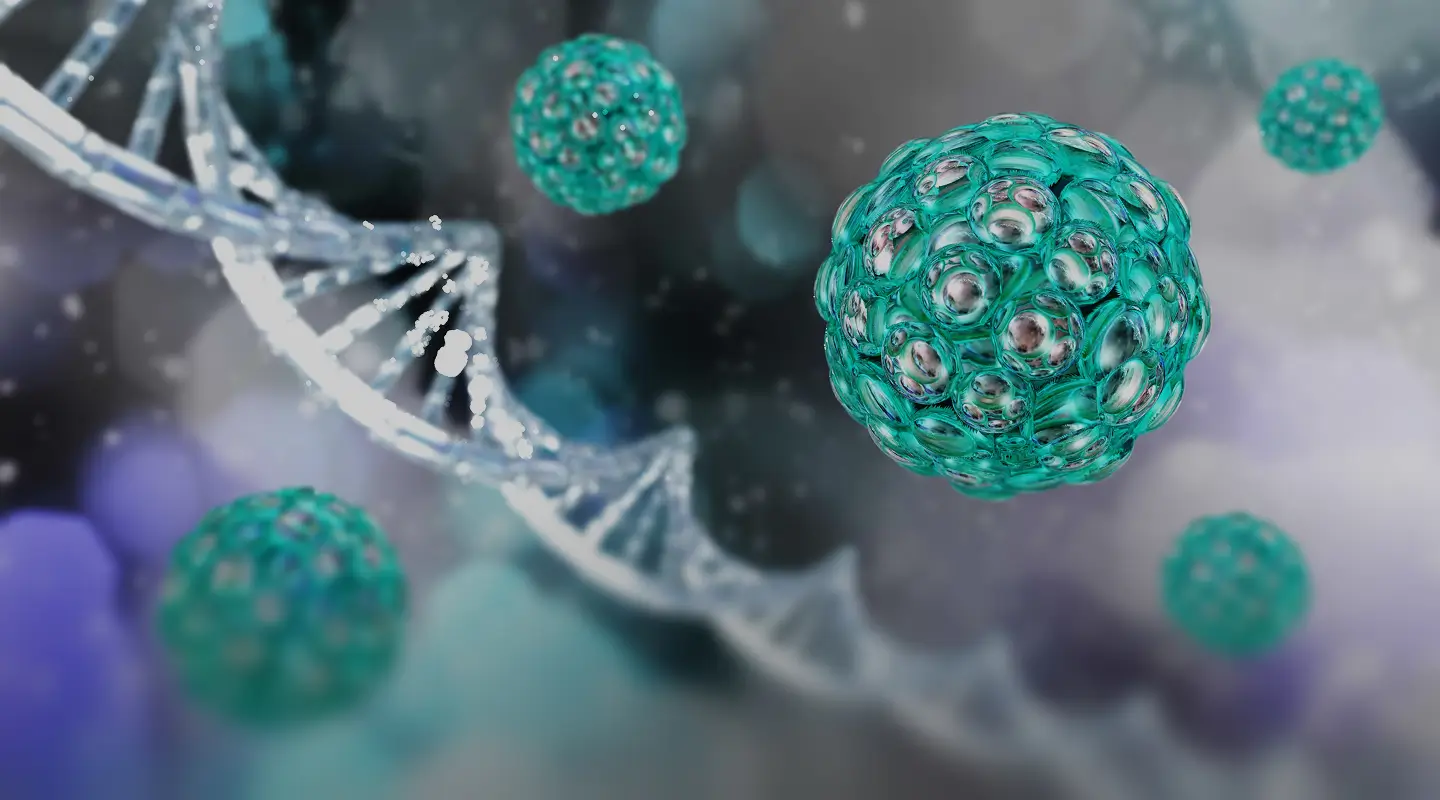
A brain penetrant unique tubulin binder with GEF‑H1 activation leading to dendritic cell maturation and downstream T‑cell priming and activation. Additional activities include anti‑angiogenic effects and early HSPC mobilization relevant to mitigation of chemotherapy-induced neutropenia.
Reversible binding to a unique pocket of tubulin, different from taxanes, vincas, and colchicine.
Release and activation of GEF‑H1, a key immune regulatory protein to induce dendritic cell maturation strengthening the cancer-immunity cycle.
References:
Plinabulin mechanism in reducing CIN and its clinical benefit with reducing docetaxel.
Plinabulin anti-cancer benefit combined with docetaxel in 2L/3L NSCLC EGFR Wild- Type in Dublin-3 phase 3 global study.
Plinabulin and docetaxel combination demonstrated statistically significant benefit in OS, PFS, and ORR compared to docetaxel with doubling 2-year and 3-year survival, and significant reduction in grade 4 neutropenia of docetaxel from >30% to 5%
References:
Plinabulin combination with radiation resensitizes cancer patients to PD-1/L1 inhibitor therapy after prior ICI failure.
References:
In treating EGFR wild-type NSCLC
A Breakthrough in Cancer Therapy and Immune Support
Rationale for combining plinabulin with docetaxel ± PD‑1/PD‑L1 after progression on prior ICIs. Aligns with the cancer‑immunity cycle: chemotherapy/radiation release neoantigens captured by DCs; plinabulin enhances DC maturation and T cell priming.
Adapted from: Mellman, D.S. Chen, T. Powles, S.J. Turley, The cancer-immunity cycle: Indication, genotype, and immunotype, Immunity, 56 (2023) 2188-2205.
The cancer-immunity cycle: Indication, genotype, and immunotype: Immunity
Studies and trials
Plinabulin has been tested in various anti-cancer clinical studies.
Plinabulin + Docetaxel vs. Docetaxel (Dublin-3 or Study 103, n=559, NCT02504489)
Plinabulin and docetaxel combination demonstrated statistically significant benefit in OS, PFS, and ORR compared to docetaxel with doubling 2-year and 3-year survival, and significant reduction in grade 4 neutropenia of docetaxel from >30% to 5% (Han 2024 – LANCET Respiratory Medicine)
Plinabulin + Anti-PD-1 + Radiation (NCT04902040)
In Plinabulin responding patients, plinabulin’s DC maturation benefit is well-represented, and it is linked to GEF-H1 gene signature in baseline. In addition, the combination resensitized patients in various cancers with disease control rate of 54% and ORR of 23%, with pronounced benefit in NSCLC, Head and neck cancer, and Hodgkin’s lymphoma (Lin 2025 – Med).
Pembrolizumab + Docetaxel + Plinabulin (Study 303, NCT05599789)
The study has finished enrollment of 47 patients. With 16.9 months median follow up, the recent data was presented at SITC 2025. mOS 16+ months; 24-month OS rate at 66%, mPFS 7.0 months, ORR 18.2%, which almost doubles the historical docetaxel data from TROPION-LUNG01 study.
Plinabulin + EP + Pembrolizumab in 1L ES‑SCLC (Study 302, NCT05745350)
First patient was enrolled in March 2024. The enrollment is ongoing.
Plinabulin Monotherapy vs. Pegfilgrastim in CIN Study with Docetaxel (NCT04345900, NCT03102606)
Plinabulin demonstrated early on-set (week 1) benefit in preventing docetaxel induced severe neutropenia, and showed non-inferiority in CIN prevention compared to pegfilgrastim (Blayney 2020 – JAMA Oncology ; Blayney 2022 – JAMA Network).
Plinabulin + Pegfilgrastim vs. Pegfilgrastim in CIN Study with TAC (Taxotere, Adriamycin, and Cyclophosphamide) Chemotherapy (NCT04227990, NCT03294577)
- Plinabulin (week 1 benefit in CIN prevention) and pegfilgrastim (week 2 benefit in CIN prevention) showed complimentary benefit and improved benefit (Protective-2 (BPI-2358-106): A Confirmatory Trial to Demonstrate Superiority of the Plinabulin+Pegfilgrastim (Plin/Peg) Combination Versus Standard of Care Pegfilgrastim for the Prevention of Chemotherapy-Induced Neutropenia (CIN) in Breast Cancer (BC) Patients (pts) | Blood | American Society of Hematology)

Safety and tolerability
Plinabulin is well‑tolerated with >700 cancer patients treated across oncology studies as monotherapy and in combination with chemotherapy, PD-1 inhibitors, and radiation. Plinabulin’s common AE include GI side effects and transient hypertension.
Plinabulin’s improved tolerability with chemotherapy and its significant benefit in preventing chemotherapy induced neutropenia has been shown in 6 clinical studies below.
FAQ
What is plinabulin?
Plinabulin is our lead small molecule asset with a novel chemical structure and novel function in dendritic cell maturation. It has been shown to have anti-cancer benefit in durable overall survival benefit, with the ability to re-sensitize NSCLC patients who progressed on prior immune checkpoint inhibitors. It also aims to prevent chemotherapy-induced neutropenia. This dual action makes it a promising candidate in cancer therapy.
How is it used?
Plinabulin is used as an intravenous infusion via 1 dose or 2 doses per 21-day cycle.
What is Plinabulin MoA?
Plinabulin is a potential immune-modulating therapeutic driven by GEF-H1-mediated dendritic cell maturation. By restoring antigen presentation and T-cell function within tumor microenvironment, plinabulin helps to overcome acquired resistance to checkpoint inhibitors.
How does Plinabulin works in anti-cancer clinical trials?
As a reversible binder at a distinct tubulin pocket, plinabulin does not change tubulin dynamics or antagonize tubulin stabilizing agents, such as docetaxel, which contributes to its differentiated activity and tolerability compared to other tubulin binders. In addition, plinabulin significantly reduces chemotherapy-induced neutropenia and could thereby increase docetaxel tolerability.
What is the mechanism of Plinabulin in CIN prevention and what is its Clinical benefit?
Under myelosuppressive conditions, Plinabulin exerts protective and/or stimulatory effect on granulocyte-monocyte progenitors, likely due to the biological function of GEF-H1 in productive hematopoiesis (Derek et al. 2021).
What is the mechanism and clinical data support for Dublin-4 study in second- and third- line EGFR wild-type, non-squamous NSCLC cancer patients who have progressed from prior PD-1 or PD-L1 antibodies?
Plinabulin helps to reinvigorate anti-tumor immune function in patients after acquired resistance to checkpoint inhibitors. Our findings from DUBLIN-3 post-hoc analyses and the prospective 303 study highlight Plinabulin’s differentiated clinical profile, providing strong support for our global confirmatory Phase 3 DUBLIN-4 trial.
All Resources
Resources
Resources


We’re here to assist with your inquiries & collaborations
Email us at
general@beyondspringpharma.comCall us at
+1 646 305-6387Office location
100 Campus Dr, Florham Park, NJ 07932.